Embracing Uncertainty: A Stoic Guide to Calm Decision-Making
A Stoic approach does not require certainty before you act. Separate what you can influence from what you cannot, weigh the available evidence, and choose…
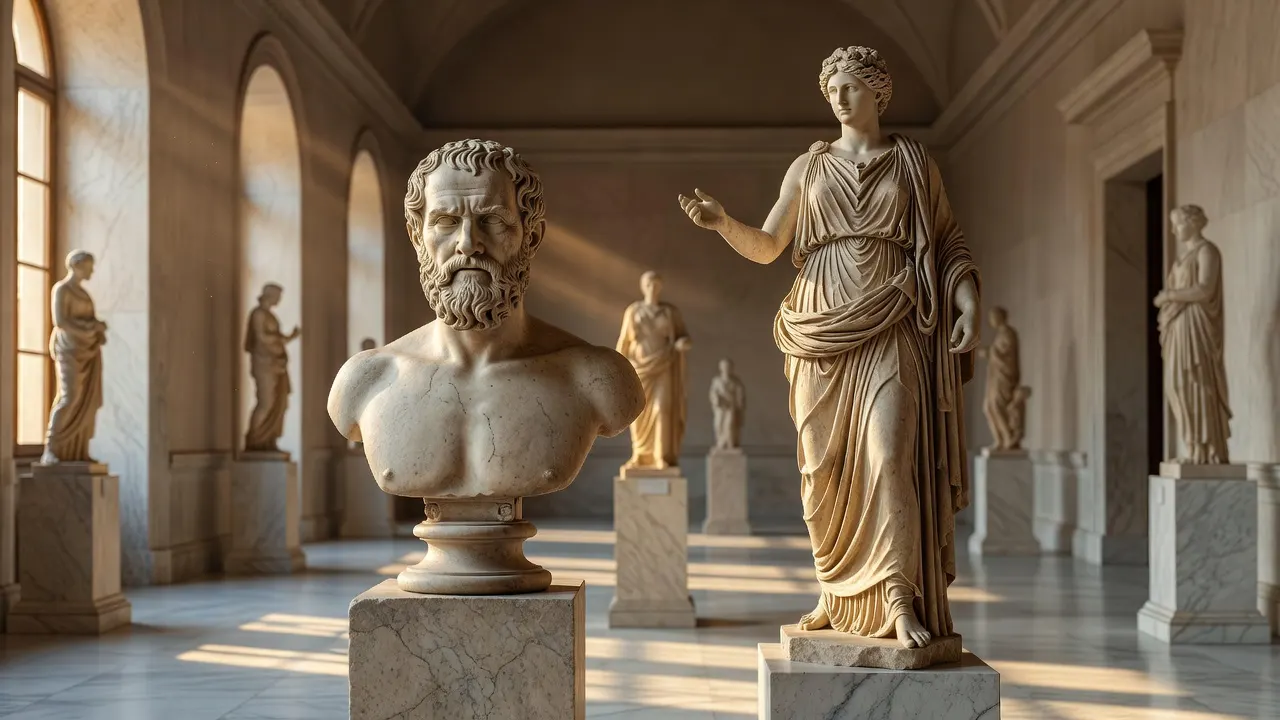
A Stoic approach does not require certainty before you act. Separate what you can influence from what you cannot, weigh the available evidence, and choose a reasonable next step. Treat the result as uncertain rather than guaranteed. This helps you avoid both paralysis and impulse while keeping your attention on how you respond.
Key facts
- Stoicism emphasises accepting the present, focusing on what you can control and meeting challenges directly. Stoicism U
- Uncertainty need not be feared or avoided; Stoic philosophy invites people to accept and embrace it. Stoicism Guide
- Stoic decision-making avoids both refusing to act because of uncertainty and acting impulsively from strong desire. Ancient Wisdom
- Self-reflection is part of the Stoic approach to understanding yourself and your place in the world. Stoicism Guide
Separate the choice from the outcome
Uncertainty can feel like a demand to know what happens next. A Stoic approach shifts the question: what can you judge and do now? Stoicism U describes focusing on what you can control and accepting what you cannot as a way to meet uncertainty. Its account of Stoic practice supports a useful distinction between your decision and the result.
That distinction is not a promise that every choice will go well; it is a way to avoid treating an unknown outcome as proof that you cannot choose. The Stoic decision-making account rejects that extreme, as well as acting impulsively from a strong desire; the decision-making guide frames judgement as something to retain even when certainty is unavailable.
Try a three-part test: list what is known, name what remains outside your influence, then choose an action you can stand behind. This is practical guidance, not a forecast. The sources support considering evidence and practical foresight, while warning that prediction alone cannot settle a decision. Keep the test focused on the quality of your reasoning, not on demanding a guaranteed result.
Acceptance does not mean indifference. One Stoic account says people can prefer outcomes such as health over illness and safety over danger, while still recognising that circumstances cannot be fully predicted. The same source describes this position as steady agency rather than pessimistic expectation. You may care about the result without pretending to control it.
Use a decision checkpoint instead of waiting for certainty
More thought can improve a choice, but endless thought can become a way to avoid choosing. The Stoic decision guide says that when continued contemplation can no longer improve predictions, delay may shift from caution to avoiding responsibility. That point suggests a practical checkpoint: ask whether another round of thought could change your action, or merely repeat the same uncertainty.
Before that checkpoint, gather relevant evidence and consider likely consequences. The Stoic account does not dismiss evidence, probability or practical foresight. After it, decide on the best available judgement rather than waiting for complete assurance. This is not a claim that you can calculate the future; it is a way to give deliberation a purpose and an end.
For a worked example, imagine you must choose between two reasonable commitments, but you do not know how either will turn out. First, write down the facts you can verify. Next, identify which parts of the result you cannot command. Then compare the options against what matters to you and choose one without treating your preference as a guarantee. This example applies the source’s distinction between judgement and prediction.
After choosing, review how you acted rather than condemning yourself for every unexpected result. Stoicism U links fear and anxiety with clouded judgement and recommends attention to the present. Its guidance makes present-focused reflection a useful counterweight to replaying outcomes you cannot change.
What this means for you?
In daily life, uncertainty often arrives before you have a complete picture. You can still make a considered choice without claiming to know how it will end. Use the available evidence, notice where your influence stops, and choose a step that reflects your judgement. The Stoic sources present uncertainty as something to accept rather than avoid. That perspective makes room for action without requiring you to welcome every difficulty.
If you are a person deciding whether to accept a demanding commitment, pause before saying yes or no. Write down what the commitment asks of you and what you hope it will bring. Mark which details you know and which remain unknown. Then ask whether more information could genuinely change your choice. This is a practical exercise, not a claim that any option guarantees success.
Consider both options without confusing caution with confidence. The decision guide attributes to Epictetus advice to separate those two ideas. Applied here, caution means checking the relevant considerations; confidence need not mean certainty about the result. You can decide carefully while admitting that the outcome remains open.
If worry is taking over, pause and name the thought that is driving it. Stoicism U notes that fear and anxiety can cloud judgement. You might then ask whether the thought concerns a fact, a possibility or a result outside your control. Stoic writing also presents the response to uncertainty, rather than uncertainty itself, as central. That account supports returning attention to your next response.
Make reflection part of the process. Stoicism Guide describes self-reflection as a way to understand yourself and your place in the world. After a decision, examine whether you used the information available and acted according to your priorities. Avoid turning a surprise into a verdict on your character. Use what you learn to make the next decision with care.
What to do now?
- Name the decision. Write one sentence describing the choice you face. Keep it separate from predictions about how other people may respond.
- Sort what you know. List the evidence you have and the questions that remain. Consider whether a specific answer could change your choice. Stoic guidance values evidence and foresight, but does not treat prediction as the decision itself. Use that distinction to keep research purposeful.
- Mark your influence. Identify what you can do and what you cannot command. Stoicism emphasises focusing on the former and accepting the latter. Keep the list concrete, so the unknown does not swallow the choice.
- Set a stopping point. Decide what useful information would justify more thought. If further contemplation cannot improve your prediction, notice whether delay has become avoidance. Use this as a prompt, not a demand to rush.
- Choose, then review. Take the step that best fits your considered judgement. Later, reflect on how you made the choice, not only on the result. Stoic practice includes self-reflection. Let that review inform your next decision rather than fuel regret.
Sources
- stoicismu.com/stoicism-and-uncertainty
- www.stoicismguide.com/stoicism/uncertainty
- ancient-wisdom.net/p/how-the-stoics-made-decisions-under
- www.stoicismguide.com/stoicism/stress
- stoichead.com/posts/the-stoic-dance-with-uncertainty
About this page
Written with AI assistance from the sources listed above, then checked by automated fact, source, repetition and quality checks before publishing.
Facts and links checked on 13 November 2026. Summarises the sources linked above; check the linked source for the latest version.
How we researched this: we compiled this guide from the official and independent sources listed above, and checked the facts on the date shown. Our editorial policy explains how we choose and check sources.